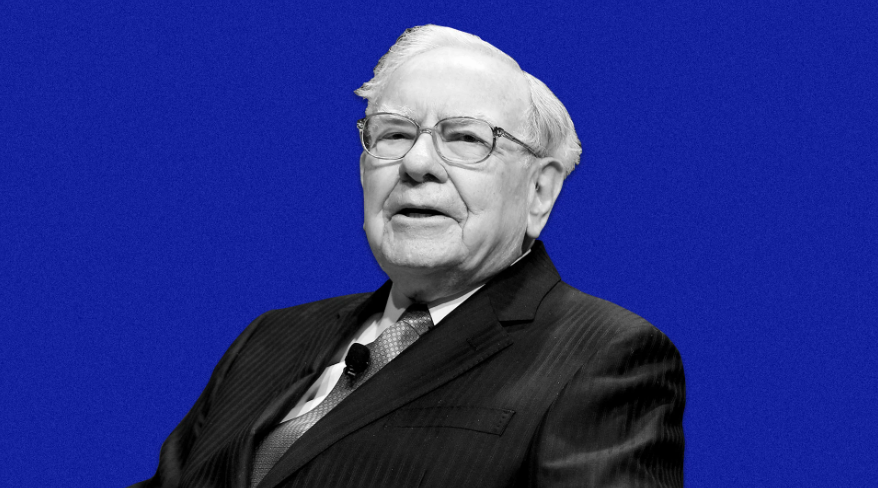
Buffett Review: A 7/10 for European Moats With High Geographic Risk
Warren Buffett is roasting your portfolio
Roasted on April 21, 2026
Asset Class
Region
Strategy
Top Holdings by Weight
Pulling Up a Chair in the Old World
Well, pull up a chair and let me open a Cherry Coke. I have to admit, when I first laid eyes on this portfolio, I smiled. Normally folks hand me lists full of dog-themed cryptocurrencies, profitless tech startups, and whatever meme stock they read about on the internet. But you? You've bought actual businesses.
Charlie Munger—bless his heart—always told me, "Warren, a wonderful company at a fair price beats a fair company at a wonderful price." Looking at your holdings, it seems you've been listening. You're buying companies that make things people use every single day, whether it's the food on their table, the medicine keeping them alive, or the fuel powering their homes.
But while Charlie and I love a good Old World business, I’m putting on my reading glasses because I think you’ve developed a rather severe blind spot. Let's dig into the numbers and see if we can't find a little margin of safety in here.
Peeking Under the Hood at Your Moats and Money
Let's start with the good news: your competitive moats are wider than the Missouri River. Over 57% of your capital is parked in businesses with intangible assets—patents and brands—and another 31% relies on massive scale advantages. Companies like LVMH, Nestle, and ASML possess the kind of durable competitive advantages that make it agonizingly difficult for competitors to steal their lunch. That’s exactly the kind of economic castle we look for at Berkshire.
Your sector breakdown is also remarkably sensible. You’ve got nearly 19% in consumer staples and over 18% in healthcare. These are robust, cash-generating sectors. Whether the economy is booming or busting, folks are still going to buy their Nestle coffee, and they certainly aren't going to skip their Novo Nordisk insulin. Add in your technology and energy positions, and you've got a portfolio nicely balanced between income generation (over 40%) and growth (nearly 39%).
Now, let's talk about your cash. You're sitting on a 5.2% cash reserve. Cash is a funny thing. It earns practically nothing, and idle money is dead money—but it's also the oxygen you need when Mr. Market decides to have a manic-depressive episode and throw a fire sale. At Berkshire, we like to keep an elephant gun loaded for those moments. Your 5% reserve? That’s more of a squirt gun. It's not dangerously low, but it leaves you without much dry powder if incredible bargains suddenly appear.
What Keeps Me Up at Night
Now for the tough love. You’ve got some wonderful businesses, but you've made a few decisions that would make me incredibly nervous.
🚩 Never Bet Against America: Your geographic exposure is downright shocking. Nearly 95% of your portfolio is anchored in Europe! You have completely ignored the United States. Europe is home to some magnificent enterprises, but you are deliberately sitting out on the most dynamic, innovative capitalist engine in human history.
🚩 Overpaying for Popularity: You've got over 22% of your entire portfolio tied up in just two stocks: LVMH and Novo Nordisk. Now, these are phenomenal companies—Ozempic is a miracle drug and folks love their Louis Vuitton bags. But great companies are often priced for perfection. If you bought these growth titans at sky-high valuations without a margin of safety, even a minor stumble in earnings will cost you dearly.
🚩 The "Peashooter" Problem: As I mentioned, that 5.2% cash reserve leaves you handcuffed. If the market drops 30% tomorrow, you'll be forced to just sit there and watch the bargains float by because you didn't keep enough liquidity on hand to play the role of the greedy buyer when others are fearful.
The Oracle's Final Tally
I'm going to give this portfolio a 7 out of 10. You get high marks for buying legitimate, high-quality businesses with deep economic moats. You lose points for ignoring the United States entirely and keeping your cash reserves a little too tight.
Here is what I suggest you do next:
1. Look across the Atlantic: Start researching wide-moat American businesses to diversify your geographic risk. You don't need to sell your European winners, but direct your future capital westward.
2. Build up your dry powder: Try to get that cash reserve closer to 10-15%. You don't want to be out of ammunition when it rains gold.
3. Check your valuations: Go back and look at what you paid for your top holdings. If you paid 40 or 50 times earnings for growth, be prepared to hold them for a very long time to see a proper return.
4. Let the compounders compound: Assuming you bought at fair prices, do exactly what we do at Berkshire with businesses like these—absolutely nothing. Sit on your hands and let the managers do the work.
Remember, "Time is the friend of the wonderful company, the enemy of the mediocre." You've bought wonderful companies. Now, just give them the time to prove it.
About This Analysis
This portfolio roast was generated by PortfolioGlance’s AI, analyzing your portfolio from the perspective of Warren Buffett. The analysis evaluates asset allocation, sector concentration, geographic diversification, risk factors, and provides actionable recommendations.
This is an AI-generated educational analysis, not financial advice. Always consult a qualified financial advisor before making investment decisions.