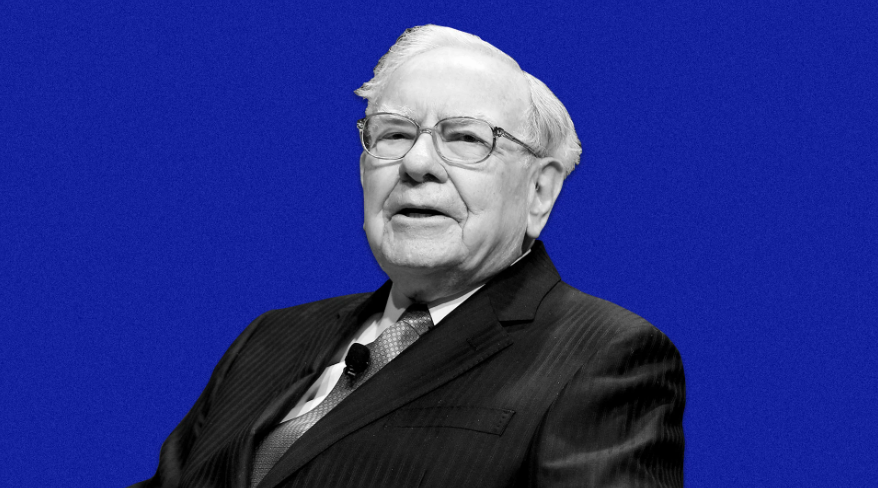
Buffett Critiques a 6/10 Green Energy Portfolio Drowning in ETFs
Warren Buffett roastuje Twoje portfolio
Zroastowano May 16, 2026
Klasa aktywów
Region
Strategia
Największe pozycje wg wagi
Catching the Wind Without Blowing Your Capital
Welcome to Omaha. Pull up a chair and let me crack open a Cherry Coke while we look at this "Global Decarbonization Strategic Fund" of yours. Now, my late partner Charlie Munger and I have spent a lot of time looking at energy over the decades. In fact, our Berkshire Hathaway Energy division is one of the largest wind and solar players in the country, so I understand the appeal of the space.
But looking at your portfolio, I see a classic case of an investor who has fallen in love with a macroeconomic trend. You are betting the farm on the green transition. It's a noble cause, and it might even be an inevitable future, but as I’ve always said, a wonderful macroeconomic trend does not automatically translate to a wonderful investment. Wall Street loves to package up hot trends and sell them at a premium, and it looks to me like you've been buying right off their glossy brochure. Let's see if we can find some margin of safety in this thicket of solar panels and wind turbines.
Assessing Your Moats and Windmills
When I look under the hood of your portfolio, I see you've got about 62% of your capital tied up in growth strategies. That is a mighty high expectation for future earnings, and it tells me you might be overpaying for a lot of these businesses. On the flip side, I'm pleased to see that over 40% of your holdings boast a "Scale Advantage" competitive moat. Companies like NextEra Energy (11.2%) and Iberdrola (5.4%) are massive, capital-intensive utilities. Berkshire owns a massive utility business, so I know firsthand that scale is a phenomenal moat in that sector.
You’ve got a very wide geographic spread here, with about 40% in global/diversified assets, 25% in North America, and nearly 20% in Europe—which makes sense given European leadership in offshore wind like Orsted and Vestas. I also smiled when I saw BYD (6.1%) in your Asia-Pacific bucket. Charlie Munger brought BYD to me years ago, and it's a brilliant business with a real competitive advantage in batteries and EVs.
However, we need to have a serious talk about your cash reserves. You are sitting on just 4.7% in idle cash. Cash is king only when you deploy it, but you need to have it to deploy it. At Berkshire, we always keep a massive pile of dry powder—sometimes over $100 billion—because Mr. Market occasionally gets manic-depressive and offers up wonderful businesses at fire-sale prices. With less than 5% cash, if the market crashes tomorrow, you'll be standing there with empty pockets watching the bargain parade pass you by.
Where the Tide Is Going Out
Let’s look at where you might be swimming naked when the tide goes out:
🚩 Thematic ETF Soup: You have over 28% of your money parked in broad market indexes and ETFs like ICLN, LIT, COPX, and TAN. Diversification is protection against ignorance, but holding overlapping thematic ETFs means you are paying Wall Street expense ratios to hold the same expensive growth companies multiple times over. You aren't picking businesses; you're just throwing darts at a sector.
🚩 Speculating Over Investing: You’ve got almost 9% of your portfolio allocated to "speculation", entirely wrapped up in Tesla. Charlie and I always admired what Elon Musk achieved, but we never bought the stock because it was priced for perfection. When you buy a business without a margin of safety, you are relying on everything going exactly right.
🚩 The Growth Trap: With over 60% of your capital in growth, you are highly vulnerable to interest rate changes. Energy infrastructure requires massive amounts of debt. When rates rise, the present value of those far-off future earnings drops like a stone, and capital-heavy wind and solar projects suddenly look a lot less profitable.
🚩 No Dry Powder: As I mentioned, 4.7% cash is practically running on fumes. You have absolutely no flexibility to take advantage of market corrections or to average down on your favorite businesses when they go on sale.
The Oracle's Scorecard
I'm going to give this portfolio a 6 out of 10.
You own some fundamentally strong businesses with real scale advantages—NextEra, Iberdrola, and BYD are real companies making real money. Your direct investment in a solar farm project also shows you understand the value of long-term income-producing assets. But the portfolio is dragged down by trend-chasing, redundant ETFs, and a glaring lack of cash reserves.
Here is what I recommend you do:
1. Build Your Cash Buffer: Start trimming some of your more speculative or overlapping positions to build that cash reserve up to at least 10-15%. You want to be a buyer when everyone else is panicking.
2. Consolidate Your ETFs: Pick the best-in-class ETF for your theme and ditch the rest. You don't need a broad clean energy ETF and a specific solar ETF. Cut the fees and simplify.
3. Focus on Valuation, Not Just the Theme: Look closely at the price-to-earnings and cash flow of your growth companies like Enphase. Ensure you are buying them at a fair price, not just buying them because decarbonization is the future.
Remember what we say in Omaha: "A wonderful company at a fair price beats a fair company at a wonderful price." Stop paying a premium for the word "green," and start demanding cash flows and a margin of safety.
O tej analizie
Ten roast portfolio został wygenerowany przez AI PortfolioGlance, analizując Twoje portfolio z perspektywy Warren Buffett. Analiza ocenia alokację aktywów, koncentrację sektorową, dywersyfikację geograficzną, czynniki ryzyka i dostarcza konkretne rekomendacje.
To jest analiza edukacyjna wygenerowana przez AI, nie porada finansowa. Zawsze konsultuj się z wykwalifikowanym doradcą finansowym przed podjęciem decyzji inwestycyjnych.