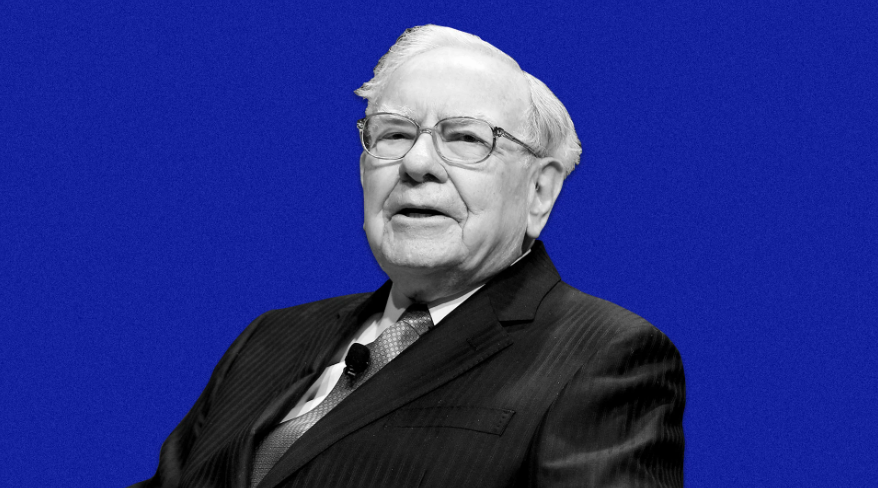
Buffett Criticizes Your 87% Emerging Market Bet: Bring Cash Home
Warren Buffett roastuje Twoje portfolio
Zroastowano April 23, 2026
Klasa aktywów
Region
Strategia
Największe pozycje wg wagi
Welcome to Omaha... Or Should I Say, The United Nations?
Pull up a chair and let me crack open a Cherry Coke. Looking at your portfolio, I had to double-check my glasses. For decades, I’ve been telling anyone who will listen to "never bet against America." Well, it looks like you took that advice, threw it out the window, and bought a one-way ticket around the world!
Looking at your holdings is like reading the departure board at JFK Airport. You’ve got businesses in Taiwan, China, India, Brazil, Turkey, and Saudi Arabia. I'll admit, Charlie Munger always had a bit of a soft spot for the international markets—especially China—but even he would look at this and ask if you're trying to invest or just collecting exotic stamps.
I always say that investing is about finding a wonderful business at a fair price, managed by honest people. But you also need a predictable environment to operate in. Let's take a walk through this global bazaar of yours and see if we can find a margin of safety, or if you're just paying tuition to Mr. Market.
A Tour of the World with Empty Pockets
Let’s start with the big picture: your geographic exposure. A whopping 86.6% of your capital is parked in Emerging Markets. Now, I like a good bargain as much as the next fellow, but operating in jurisdictions with unpredictable regulations and shifting property rights usually belongs squarely in my "Too-Hard" pile.
You’re heavily tilted toward Technology at 41.2%, and your strategy breakdown shows nearly 73% of your portfolio is banking on Growth. You do have a good eye for competitive moats—I see nearly 40% of your holdings benefit from network effects, and almost 30% from scale advantages. Take Taiwan Semiconductor at 9.1% of your portfolio. It's a fabulous business. We actually bought a chunk of TSMC at Berkshire a while back, but I sold it relatively quickly. Great company, but I didn't like the neighborhood.
You've got Charlie's old flame, Alibaba, at 6.7%, alongside Tencent and PDD. These businesses have immense scale, but in China, the government is the ultimate silent partner, and they can change the rules overnight.
Now, let's talk about your wallet. You are sitting on just 4.3% in cash reserves. Cash earns nothing, sure, but it is the oxygen of investing. When the market inevitably panics and offers up wonderful businesses at fire-sale prices, you won't have any dry powder to swing the bat. You're fully invested in some of the most volatile markets on earth with virtually no shock absorbers.
The "Too-Hard" Pile
🚩 Extreme Geopolitical Risk: With nearly 87% in Emerging Markets, your portfolio's performance is tied heavily to foreign governments, currency fluctuations, and trade wars. A wonderful company in a terrible jurisdiction can quickly become a terrible investment.
🚩 Zero American Engine: You have completely ignored the strongest, most predictable wealth-building machine in human history: the American economy. Diversification is fine, but you've diversified yourself right out of the safest capital markets on earth.
🚩 The "Diworsification" Trap: You own the Vanguard Emerging Markets ETF (11.7%), but then you've gone and bought an India ETF (10.3%), a Brazil ETF (6.5%), and individual stocks in those exact same regions. You are paying extra fees to own the same businesses multiple times. Diversification is protection against ignorance, but this is just messy.
🚩 Empty War Chest: That 4.3% cash allocation makes me nervous. When you're riding a rollercoaster of high-growth, emerging market tech stocks, you need liquidity. Without cash, you have zero flexibility when a genuine fat pitch comes your way.
🚩 Speculative Flyers: Holdings like Grab (2.1%) and Turkish Airlines (1.9%) sitting in a speculative bucket. Remember, the first rule of investing is don't lose money. The second rule is don't forget rule number one. Chasing super-apps in Southeast Asia feels more like a day at the racetrack than a durable investment strategy.
Time to Return to the Motherland
I’m going to give this portfolio a 4 out of 10. You clearly understand what makes a good business—you’ve picked companies with real moats, scale, and network effects. But your asset allocation is entirely out of whack, and the structural risks are simply too high for my stomach.
Here is what I recommend you do:
1. Build Your Dry Powder: Stop reinvesting dividends into these same regions for a while and build your cash position to at least 10-15%. You need capital ready for when the market gets depressed.
2. Bet on America: You need an anchor. Start building a core position in a low-cost S&P 500 index fund. Let American businesses do the heavy lifting for your compounding.
3. Clean Up the Overlap: Decide if you want to be a stock picker or a passive investor in emerging markets. If you own the Vanguard EM ETF, you don't need the individual country ETFs. Consolidate your capital into your highest-conviction ideas.
4. Reassess the Regulatory Risks: Take a hard look at your Chinese tech holdings. Ask yourself if you truly understand the political forces that govern their cash flows. If you don't, sell them.
As I've said many times: "Risk comes from not knowing what you're doing." You know how to identify a good business, but now it's time to learn how to build a resilient portfolio. Good luck to you!
O tej analizie
Ten roast portfolio został wygenerowany przez AI PortfolioGlance, analizując Twoje portfolio z perspektywy Warren Buffett. Analiza ocenia alokację aktywów, koncentrację sektorową, dywersyfikację geograficzną, czynniki ryzyka i dostarcza konkretne rekomendacje.
To jest analiza edukacyjna wygenerowana przez AI, nie porada finansowa. Zawsze konsultuj się z wykwalifikowanym doradcą finansowym przed podjęciem decyzji inwestycyjnych.