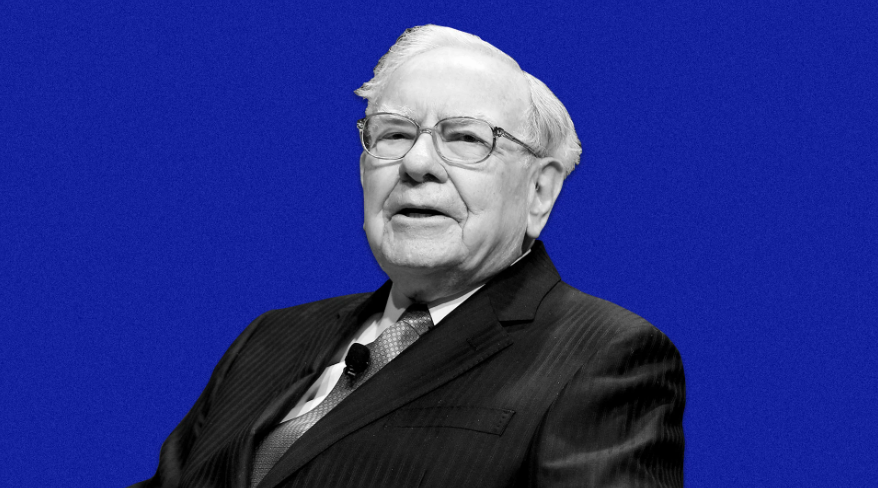
Buffett Roasts 85% Healthcare Portfolio: Too Much Pharma, No Diversity
Warren Buffett is roasting your portfolio
Roasted on May 4, 2026
Asset Class
Region
Strategy
Top Holdings by Weight
Welcome to the Omaha Pharmacy
Pull up a chair and let me crack open a Cherry Coke while we look at this. Charlie Munger—God rest his soul—used to joke that if you wait long enough, every man eventually spends all his money on doctors. Looking at this portfolio, it seems you’ve decided to cut out the middleman and just buy the hospital outright!
I’ve always said you should invest in what you know, so I can only assume you’re either a neurosurgeon, an FDA regulator, or someone who just discovered what a GLP-1 drug is. You've brought me a collection of businesses that cure diseases, replace joints, and trim waistlines. I admire the optimism of trying to cure human aging, but as an investment portfolio, this thing needs a serious medical intervention of its own. Let's put on our reading glasses and look at the chart.
A Beautiful Collection of Moats (And One Giant Blind Spot)
Now, I will give you credit where it's due: you understand the concept of a competitive advantage. Looking at your moat profile, you’ve got over 54% of your money parked in businesses shielded by intangible assets like patents and strong brands, and another 21% protected by high switching costs. Companies like UnitedHealth Group, which operates with a massive scale advantage, are exactly the kind of wonderful compounding machines we like at Berkshire.
But here’s the rub: a whopping 85% of your portfolio is concentrated in the healthcare sector. Actually, it's worse than that. You’ve got another 8.5% in a "Broad Market" fund, which turns out to be the XLV ETF—which is just more healthcare! And the 2.1% you have in private equity? A biotech startup. You have essentially built a 100% healthcare fund. Even geographically, while you have a nice 21% exposure to European stalwarts like Novo Nordisk and Roche, nearly 74% is sitting in North America, heavily exposed to US regulatory risks.
Furthermore, you’re running with just 4.4% in cash reserves. I like cash. Cash is like oxygen—you don’t notice it until it’s gone. At 4.4%, you have virtually no dry powder. If Mr. Market wakes up tomorrow in a terrible mood and puts wonderful companies on sale, you’ll be stuck staring at the bargains through the shop window with empty pockets.
Patent Cliffs and Overdoses
Let’s talk about the blind spots here, because there are a few that make me wince.
🚩 A Fatal Lack of Diversification: You are entirely exposed to one industry. I’ve often said that diversification is protection against ignorance. If Congress passes new drug pricing laws or Medicare negotiates tighter margins, this whole portfolio catches a violent fever at the exact same time.
🚩 Chasing the Weight-Loss Craze: You have nearly a quarter of your wealth (over 24%) tied up in just two companies: Novo Nordisk and Eli Lilly. They are spectacular businesses, but you are paying an astronomical premium for growth tied to the Ozempic and Mounjaro craze. Remember, a wonderful company at a fair price beats a fair company at a wonderful price. At these valuations, you have zero margin of safety if a competitor builds a better mousetrap.
🚩 Redundant Fees: You own 13 of the biggest healthcare stocks in the world directly, and then you allocated 8.5% to the XLV Healthcare ETF. You are literally paying an ETF manager an expense ratio to hold the exact same stocks you already own. That’s like paying someone to chew your food for you.
🚩 Venture Capital Speculation: That 2.1% in a pre-IPO biotech startup isn't investing; it's buying a lottery ticket. Rule No. 1 is never lose money. Pre-revenue biotech startups burn cash in a furnace hoping the FDA smiles on them.
Time to Broaden Your Horizons
I give this portfolio a 4 out of 10. The individual businesses you own are mostly wonderful, but the portfolio construction is a recipe for heartburn. You don't have a portfolio; you have a sector bet.
Here is my prescription for you:
1. Stop buying the hospital: Start directing new capital into entirely different industries. Look for wonderful businesses in consumer goods, financials, industrials, or energy.
2. Liquidate the redundancy: Sell that XLV ETF. You already own its top holdings. Take those proceeds and either buy something outside of healthcare or hold it as cash.
3. Build your cash reserves: Try to get that 4.4% cash pile closer to 10% or 15%. You want to be the one holding the checkbook when the market panics.
4. Beware of gravity: Re-evaluate your massive stakes in Novo and Lilly. Make sure you actually understand their cash flows and aren't just buying the momentum of the diet drug trend.
As I’ve told Berkshire shareholders many times: "What the wise do in the beginning, fools do in the end." Don't be the last one overpaying for a hot trend, and don't bet your entire financial future on a single sector of the economy.
About This Analysis
This portfolio roast was generated by PortfolioGlance’s AI, analyzing your portfolio from the perspective of Warren Buffett. The analysis evaluates asset allocation, sector concentration, geographic diversification, risk factors, and provides actionable recommendations.
This is an AI-generated educational analysis, not financial advice. Always consult a qualified financial advisor before making investment decisions.